Ranthambore Safari Tips: When and Where to See Tigers Easily
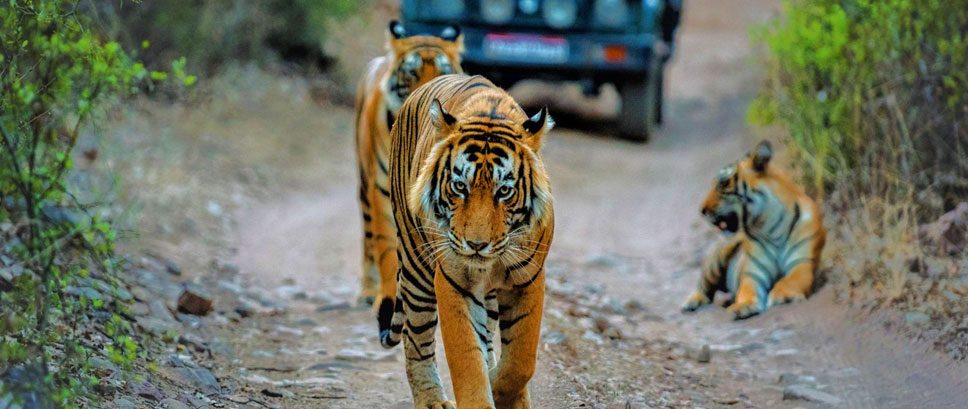
Ranthambore National Park, one of India's most electrifying wildlife destinations, is well-known for its large population of Royal Bengal Tigers. Millions of wildlife enthusiasts visit this park each year to see these elusive big cats in their natural habitat. A tiger sighting is never guaranteed, but choosing the right time, safari zone, and booking procedure can increase your chances of having an unforgettable wildlife encounter. Read these helpful tips to book your Ranthambore safari and have a memorable experience.
Best time to visit Ranthambore
The park is open every year from October to June. However, if you want to improve your chances of spotting tigers, you might want to visit between the months of March and June. During the hot months, water becomes scarce, and the animals gather around the various water bodies in the park, providing plenty of opportunities to spot big cats!
But the winter season offers nice temperatures and a refreshing climate to explore. You might see them, but the vegetation is thicker in the winter, so it’s a little harder to spot the cats.
Tiger Hot Spots: Best Safari Zones for Sightings in Ranthambore
The Ranthambore Tiger Reserve has been divided into different safari zones. Zones 2, 3, and 4 have always been a great place to see tigers with their lakes, old structures, and plenty of cover. If you see a tiger in Zone 3, they say it is a given! Impressive tiger movement has also been seen in Zones 6 to 10 lately, giving good chances of sighting the stripey carnivores, especially when permits for core areas are not easily available.
Make Your Ranthambore Safari Booking Early
The demand for Ranthambore safari permits is extremely high, particularly in the core zones, and they are typically booked in advance during peak seasons. Ensuring that your safari booking is confirmed well in advance will secure your access to desirable zones and times, allowing you to focus on enjoying the experience! Pre-booking also facilitates accommodation and transportation arrangements.
Wake Up to Wild: Go for Morning Safari
Morning safaris, like those at most wildlife parks, are your best bet for seeing an early morning animal patrol. While afternoon safaris can be effective, especially for sightings near waterholes during the summer, the fresh morning air is generally more energizing for wildlife.
Respect the Wilderness: Follow Your Guide and Driver
It’s your guide’s job to find animals, and the driver works in conjunction with other safari guides to keep up-to-date on the most recent tiger and leopard activity in different sectors. Make sure you wear clothing that allows for low movement; try to keep your voice down while taking photos and videos; and avoid jumping around inside the safari vehicle. Listening and following instructions from the experienced personnel is vital.
Prepare with Safari Essentials
Make sure you have the following items on hand to enhance your safari: binoculars to see distant wildlife; a camera with a powerful zoom lens; neutral-colored clothing; sunglasses; sun hats; drinking water; and sunscreen lotion during the summer. Pack lightweight, comfortable clothing suitable for long periods of sitting.
Discover the Ranthambore Experience Beyond Tigers
Most visitors come to Ranthambore National Park to see the big cats, but keep in mind that the park also has a variety of wildlife, such as sloth bears, leopards, marsh crocodiles, sambar deer, nilgai, wild boar, langurs, and more than 300 species of birds!
Book your Ranthambore safari with us for hassle-free processing, assured valid permits, and a well-planned itinerary. Let wildlife encounters surprise you at every turn with us. With the right approach and reasonable expectations, your Ranthambore Safari Booking will set the stage for an experience that will last you a lifetime.
Frequently Ask Questions
Which is the best Ranthambore zone for tiger sightings?Zones 2, 3, and 4 have a good reputation, but sightings can occur in any zone depending on the season and wildlife movement.
What is the best time of year to see tigers in Ranthambore?Between March and June, animals are more likely to be spotted because they frequent water sources.
How much advance notice is required to book a Ranthambore Safari?To avoid disappointment during peak season, book your safari a few weeks or months in advance.
Are morning or afternoon safaris better for spotting tigers?Both can be rewarding, but morning safaris are generally preferred due to the warmer temperatures and increased animal activity.
Can I be sure of seeing a tiger in Ranthambore?Tiger sightings are not guaranteed because they are dependent on natural conditions and wildlife behavior. However, with careful planning, you can significantly improve your chances.