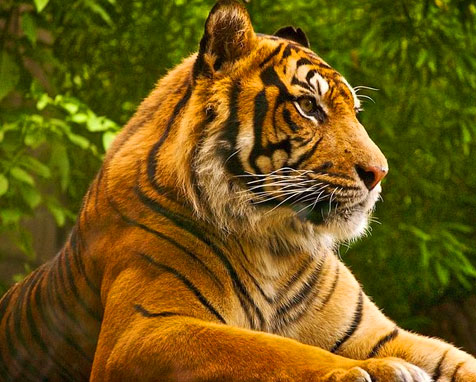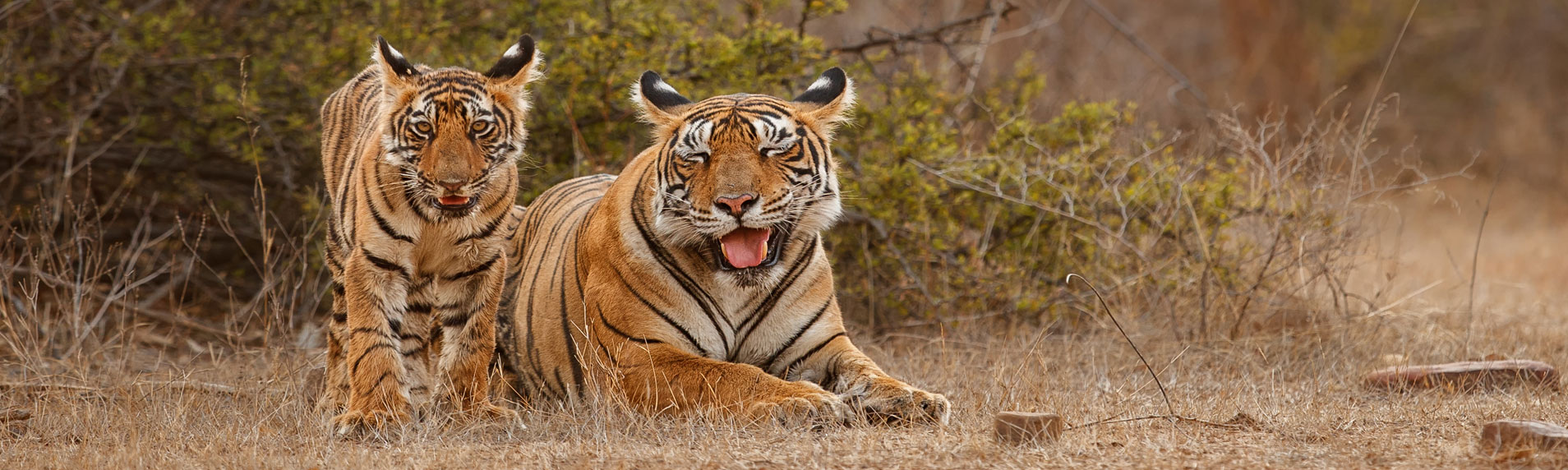
WELCOME TO THE WILD
Where Nature Rules
RANTHAMBORE NATIONAL PARK
Where Nature Rules
and the Tiger Roams Free!
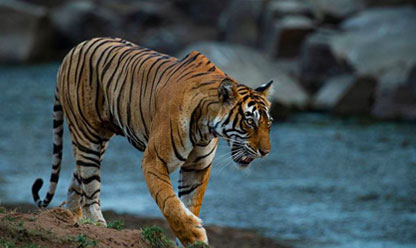
Explore the wild heart of Rajasthan and discover majestic Royal Bengal Tigers, ancient forts, beautiful lakes and unforgettable jungle experiences.
🐅
Royal Bengal
Tiger
Tiger
🌳
Wildlife
Safari
Safari
🏰
Historic
Fort
Fort
SCROLL TO EXPLORE
↓
Ranthambore National Park
Ranthambore National Park is one of the most important wildlife areas of Rajasthan. Close to Sawai
Madhopur, Ranthambore attracts nature lovers, families, photographers, and wildlife enthusiasts.
Visitors get a brilliant mix of forest, lakes, hills, ruins, and open grassland. Therefore, it is
wild, scenic, and peaceful at the same time.
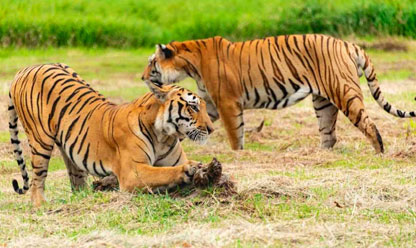
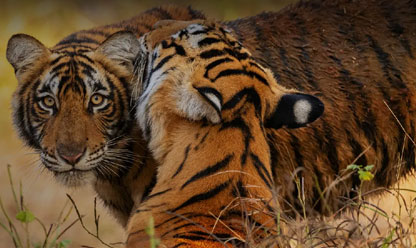
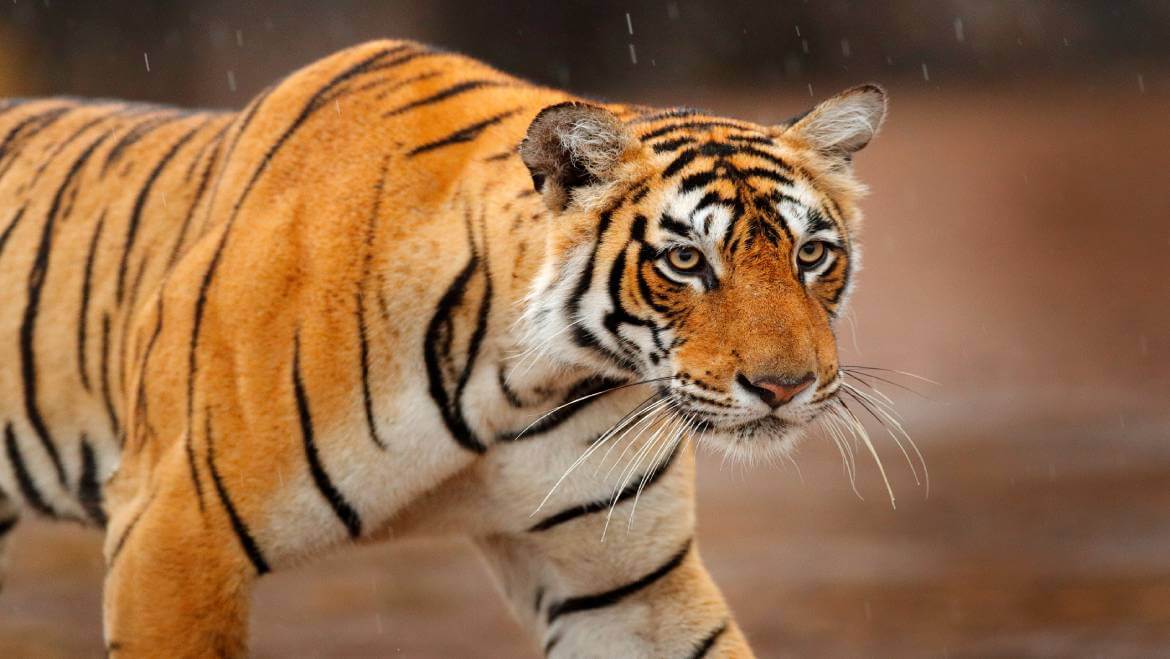
The park is home to Royal Bengal Tigers. Visitors can also see a wide variety of animals and birds,
including deer, sambar, nilgai, wild boar, langur, crocodiles, and many birds. When it comes to the
forest, safari feels different and changes according to season, weather, and animal movement.
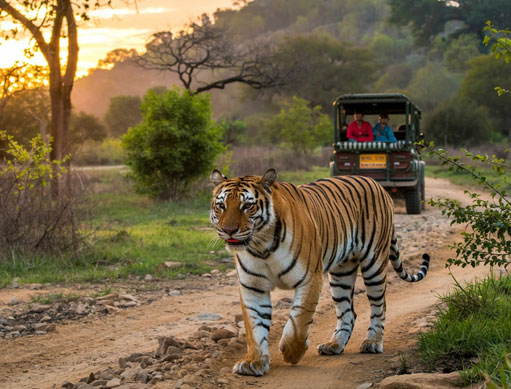
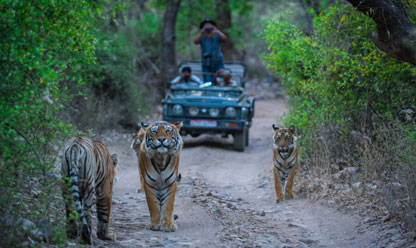
The first and most popular activity for tourism is a safari. Tourists enter the forest in a jeep or
canter along with trained drivers and guides. Tiger sightings, however, are not at all guaranteed,
as Ranthambore is a truly wild forest. Each safari is unique and offers fresh views of the forest,
the sounds of the forest, and exciting wildlife.
Most people prefer to have Ranthambore National Park booking for them, as the safari seats fill
up quite quickly. Weekends, holidays, and the winter months become even more crowded. Advance
booking gives visitors an opportunity to have the best safari slots, hotels, and transport.
Complete Travel Guide for Safari, Stay, and Wildlife
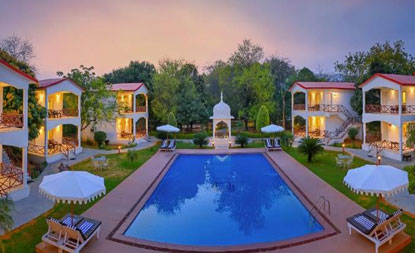
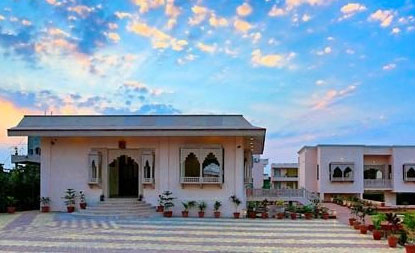
Ranthambore has been rated as one of the best places to have a short wildlife trip. It has a lot to offer, like a jungle safari, fort view, lake view, bird watching, nature photography, and having a stress-free time at a sun and sand resort. Its proximity to places like Jaipur, Delhi, Kota, and Agra is also a big plus. Whether it's just weekend getaways, longer wildlife holidays, or safaris, guests can explore temples, stay near the park, and have delightful evenings at resorts. A proper plan can make things easy, safe, and fun. Tiger conservation is likely one of the goals of the park. According to Rajasthan Tourism, Ranthambore is a private game reserve of the royal house of Jaipur and one of the well-known wildlife sanctuaries. It stands in the area of the eastern and southern limits of the Aravalli and Vindhya ranges.
Ranthambore National Park History
The history of Ranthambore is extensive. The shaggy forest in this area became the Sawai Madhopur Game Sanctuary in 1955. It was further deepened by the upsurge of the tiger conservation effort at the time, called the Project Tiger in 1973. Ranthambore became a national park in 1980. The steps taken deepened the area and the conservation of tigers. It was named after the fort called Ranthambore Fort. The reign of the royal families can also be seen in the fort. There are also temples, lots of wild animals, and lots of pathways in the forest. The area used to be a celebrity hunting ground, only meant for royal families. This area used to be restricted for hunting royal families, but it's now for wildlife and responsible tourism. This includes the park, animals, and the environment. Loud, and Beijing, and the animals. Ranthambore is an enduring symbol of protection for wildlife in India. Tourists can witness nature while helping conserve tigers, create local jobs, and commit to sustainable tourism.
Best Time to Visit Ranthambore
The best time depends on your travel goal. Many tourists ask what the best time to visit the Ranthambore park is due to the impact of the season on weather, comfort on safari, and forest views. October – March is pleasant weather. Many families, senior visitors, and first-timers find this to be their favorite time of year. Morning is cool, and the forest is fresh after the monsoon. It is hot from April to June. This season, however, may be exciting to wildlife enthusiasts. In summer, animals tend to stray around the water. Hence, the summer safaris are the preferred choice of many photographers and tiger enthusiasts. Typically, during the monsoon season, there are greens, but access to safaris can be subject to change depending on the rules of the forests. It is advisable for visitors to always check the safari availability before making any plans during the rainy season. To get a hassle-free holiday, make safari bookings in advance. Popular dates fill up quickly, and safari seats are limited. Early planning also enables the visitors to select the better zone, hotel, and packages..
Places to Visit Near Ranthambore
Ranthambore Fort
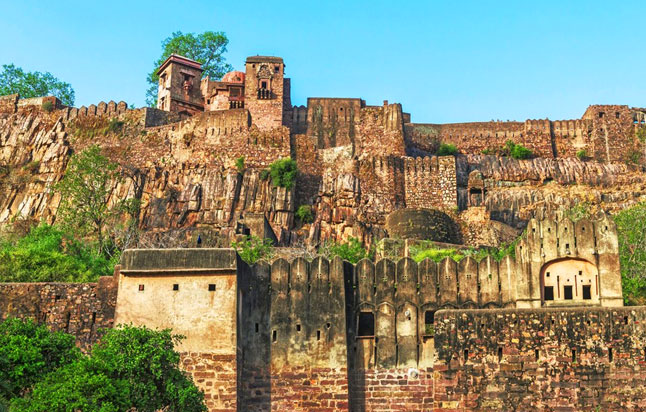
One of the most renowned places around the park is the Ranthambore Fort. It is located within the woods and provides broad vistas of the area. There are old gates, temples, walls, and scenic viewpoints within the fort. It is a popular day out destination among visitors.
Trinetra Ganesh Temple
This temple of Trinetra Ganesh is located in the middle of Ranthambore Fort. This temple is a popular venue for families on their visit. It is a spiritual destination thanks to its peaceful ambiance and old charm.
Padam Talao
The beautiful lake is inside the Park, known as Padam Tal. It is a favorite habitat of birds, crocodiles, deer, and other animals. This lake also offers some of the best views of the forest. This is a popular place to see during a safari.
Surwal Lake
Surwal Lake is one of the serene places near Sawai Madhopur. It is a popular birding site, particularly in winter. It's a cool place to photograph, due to the calm water and open vistas. Many tourists select Ranthambore tour packages as
Rajiv Gandhi Regional Museum of Natural History This is a museum where visitors can educate themselves about nature, wildlife, and the environment. It is suitable for families and students. Besides, it puts a learning element into the excursion.
Ranthambore Tour Packages Booking
1 Nights 2 Days
Ranthambore Fun Tour
2 Nights 3 Days
Ranthambore Holiday Tour
2 Nights 3 Days
Ranthambore Long Weekend Tour
4 Nights 5 Days
Ranthambore to Jaipur Tour
How to Reach Ranthambore National Park
By Train?
Sawai Madhopur Railway Station is the closest major railway station. It is well connected with Jaipur, Delhi, Kota, Mumbai, etc. Once at the station, visitors will be able to transfer to a taxi or car, or to a hotel.
By Air?
The major airport is nearest to JIQ. It provides more flying alternatives for people traveling from various cities. The tourists arrive in Jaipur and then head to Ranthambore by road.
By Road?
Ranthambore is well connected by road from Jaipur, Delhi, Kota, Agra, Ajmer, etc. cities. Road trips are preferred for many families as they offer more flexibility. Visitors should make it a point to arrive early, however, and reserve sufficient travel time prior to the safari..
Ranthambore Geographical Details
- Approximate Reserve Area: 1,334 sq km.
- Core Area: about 392 sq km.
- Location: Sawai Madhopur, Rajasthan.
- Fort: Ranthambore Fort.
- Main Lakes: Padam Talao, Rajbagh Talao, Armstrong Talao.
- Types of Forest: Dry deciduous forest, grassland, rocky terrain, and a lake.
- Safari Zones: Zones 1 to 10.
- Major Wildlife: Tigers, leopards, deer, sambar, nilgai, wild boars, crocodiles, and birds.
- The climate of dry deciduous forest parks is extremely hot in summer, pleasant in winter, and verdant in the monsoon season.
Road Distance Near by Cities
- Distance from Sawai Madhopur to Ranthambore: the approximate distance is between 10 and 14 km.
- Jaipur to Ranthambore: 160-180 km.
- Kota to Ranthambore: 140-160 km.
- Delhi to Ranthambore: 380-420 km.
- Agra to Ranthambore: 250-280 km.
- Ajmer to Ranthambore: 260-280 km.
- Udaipur to Ranthambore: 390-420 km.
Visitors need to arrive at the reporting gate on time, as strict time limits determine safari entries. Tourists should also present the ID proof that was used to book the safari to ensure a quick verification at the gate.
Frequently Asked Questions
The tiger, jungle safari, Ranthambore Fort, the lakes, birds, wildlife, and forest views
are the specialties of Ranthambore.
Ranthambore is in the vicinity of Sawai Madhopur in Rajasthan. It is located
approximately 130 kms away from Jaipur.
No, there are no guarantees at Ranthambore. It is a natural forest – sightings will
depend on luck and animal movement.
October to June is typically the prime safari season. The winter season provides
comfort, and the summer season enhances wildlife movement near water.
Yes, we do appreciate advance booking! However, the number of safaris is limited and
popular dates book up rapidly
Sawai Madhopur Railway Station is the nearest major railway station. It joins
Ranthambore to many cities of India
Jaipur International Airport is the nearest major airport. You can get a taxi service
from Jaipur to Ranthambore.
There are 10 safari zones in Ranthambore. Allotment of zones is based on availability,
booking, and forest department guidelines.
Yes, Ranthambore is a family-friendly place. Safari, Fort visits, Temples, Museums, and
Resorts can be enjoyed.
Bring the booking permit, ID, water bottle, cap, sunglasses, camera, and comfortable
clothing with you. Use natural colors for safari.
Latest News & Wildlife Updates
Ranthambore: India's Top Safari for International Visitors
Read Full Story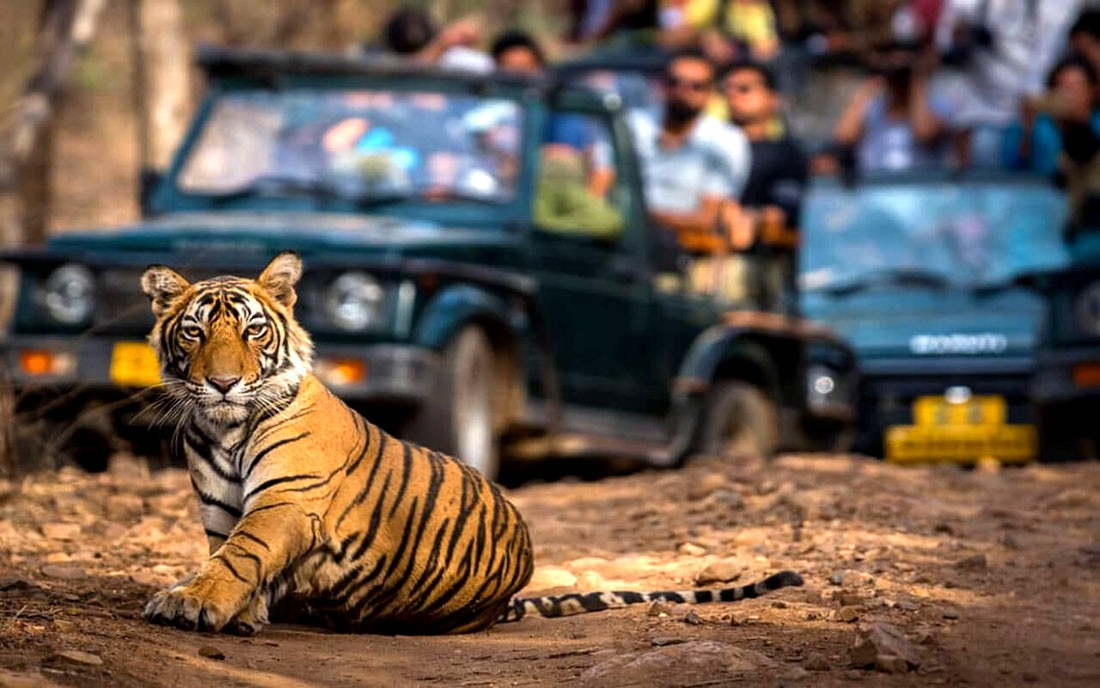
Ranthambore Tiger Settles in Kuno National Park
Read Full Story