Which Month Is Best for Ranthambore?
Ranthambore National Park is one of the most popular wildlife destinations in India. It is located near the town of Sawai Madhopur in Rajasthan. The park is famous for its Bengal tigers, beautiful lakes, rocky hills, dry forests, and the historic Ranthambore Fort that stands inside the park. Ranthambore is a special place where wildlife, nature, and history come together. The park is spread over a large area and is home to many animals, birds, reptiles, and plants. Tigers in Ranthambore are often seen during safaris, which makes it one of the best parks in India for tiger sightings. Apart from tigers, visitors can also see leopards, sloth bears, deer, monkeys, crocodiles, and many bird species. Choosing the right month to visit Ranthambore is very important. The weather, animal movement, and safari experience change from month to month. Some months are best for pleasant weather, while others are better for seeing tigers. Let us understand each season and month in detail to decide which month is best for your visit.
Best Months to Visit Ranthambore National Park
October: Fresh Start After Monsoon
October marks the reopening of Ranthambore National Park after the monsoon season. The forest looks fresh, green, and full of life because of recent rains. The weather is pleasant, with temperatures ranging between 20°C and 30°C. Animals slowly begin to move out into open areas, and birdlife is active around lakes and water bodies. October is a good month for visitors who enjoy greenery, nature walks, and calm safaris with fewer crowds. Wildlife sightings start improving toward the end of the month.
November to February: Best Months for Comfortable Weather
The months from November to February are considered the best months to visit Ranthambore National Park for pleasant weather. During this time, temperatures range from 10°C to 25°C. Mornings and evenings can be cold, especially in December and January, while afternoons are comfortable. These months are perfect for families, students, and first-time visitors. Safaris are enjoyable because the weather is not too hot. Animals like deer, monkeys, birds, and even tigers can be seen moving around during the day. Winter is also the best season for birdwatching, as many migratory birds visit Ranthambore’s lakes and wetlands. Photography is easier due to soft sunlight and clear skies.
March: A Perfect Balance Month
March is often considered a balanced and underrated month to visit Ranthambore National Park. The weather starts warming up, with temperatures between 20°C and 30°C, but it is still comfortable for safaris. As the heat slowly increases, animals begin to visit water sources more frequently. This improves the chances of seeing tigers, leopards, and other wildlife. March is ideal for visitors who want both good weather and better wildlife sightings.
April to June: Best Months for Tiger Sightings
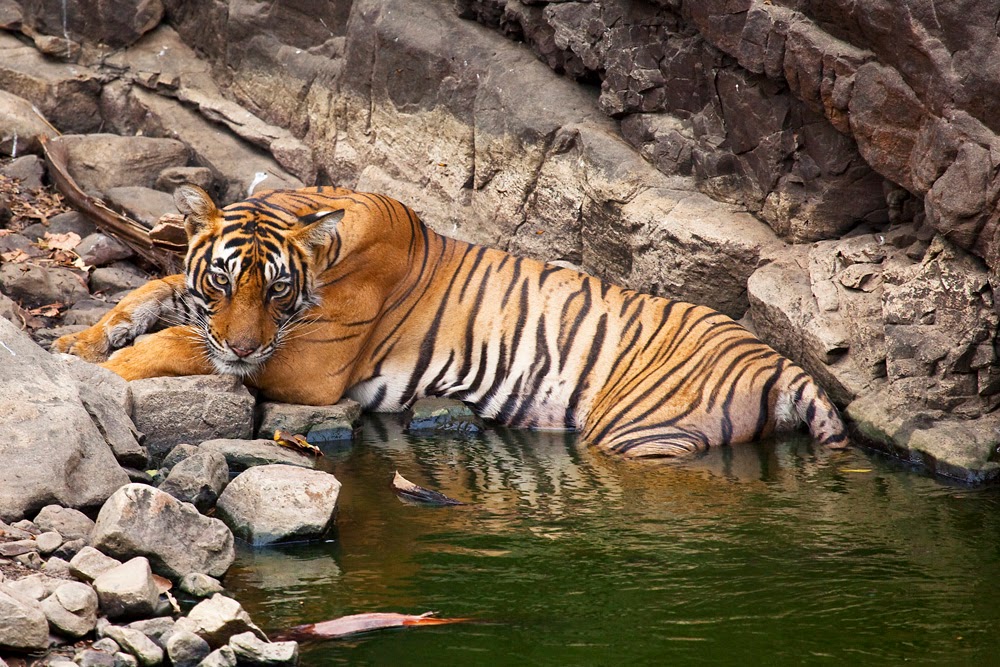
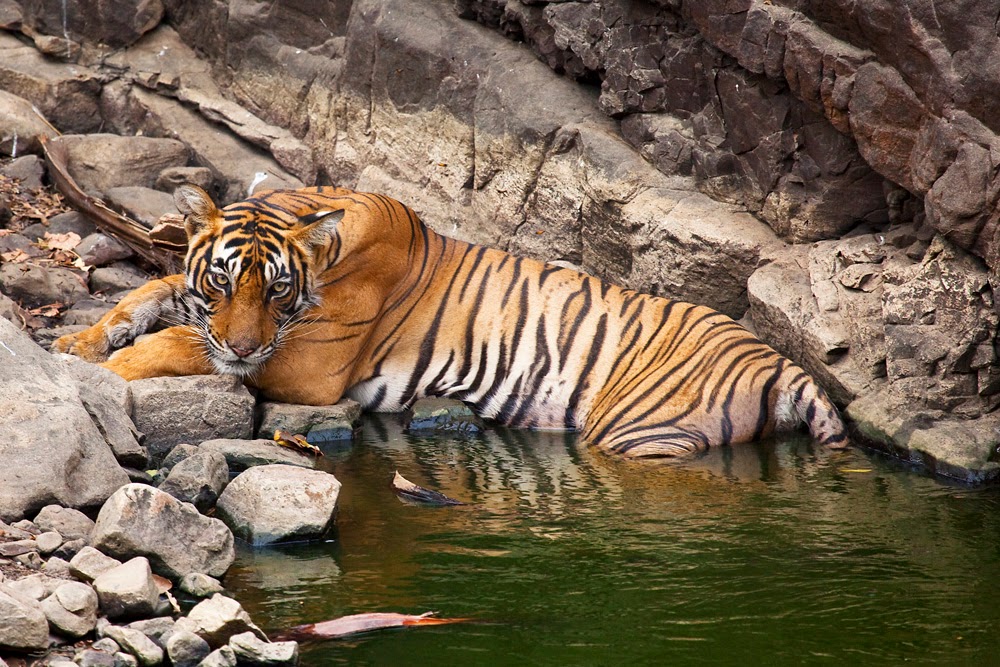
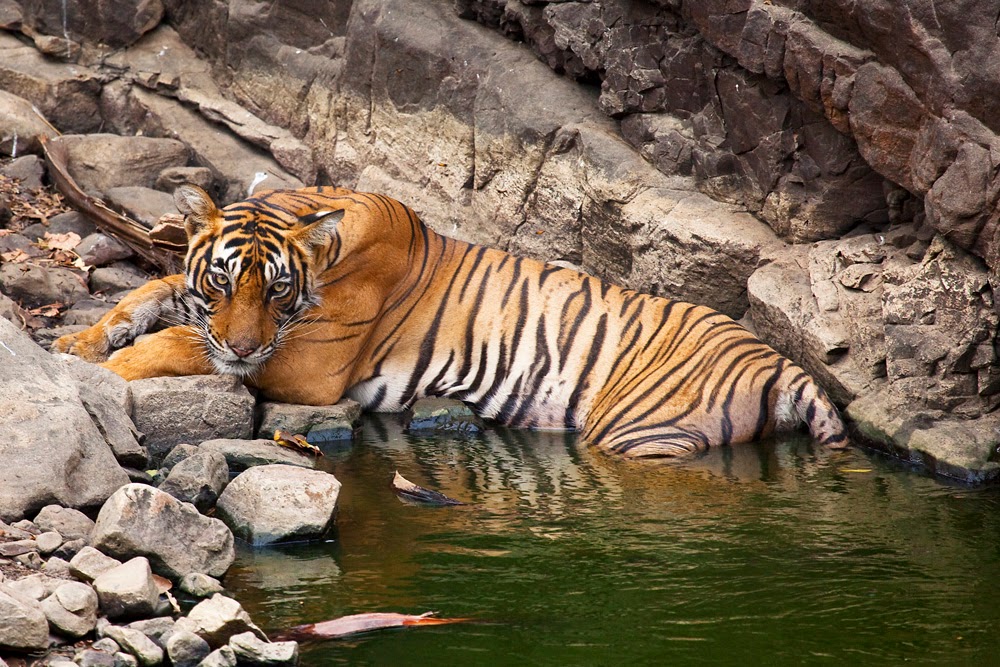
The months from April to June are known as the best months to see tigers in Ranthambore National Park. During this period, temperatures can rise between 30°C and 45°C, making afternoons extremely hot. Because of the heat, animals come out more often to drink water. Tigers are frequently seen resting near lakes, ponds, and waterholes. This makes tiger sightings more common and clearer than in cooler months. Early morning and late afternoon safaris are the best during summer. Although the weather is challenging, wildlife photographers and serious wildlife lovers prefer these months because of the high chances of tiger sightings. Visitors should wear light cotton clothes, carry enough water, and protect themselves from the sun.
July to September: Monsoon Season (Park Mostly Closed)
The monsoon season lasts from July to September. During this time, Ranthambore National park receives heavy rainfall, and most safari zones remain closed to protect animals and forest roads. The forest becomes lush green and beautiful, and lakes fill up with water. This season is very important for the growth of plants and the breeding of animals. However, it is not suitable for wildlife tourism because safaris are limited or stopped.
Wildlife You Can See in Ranthambore
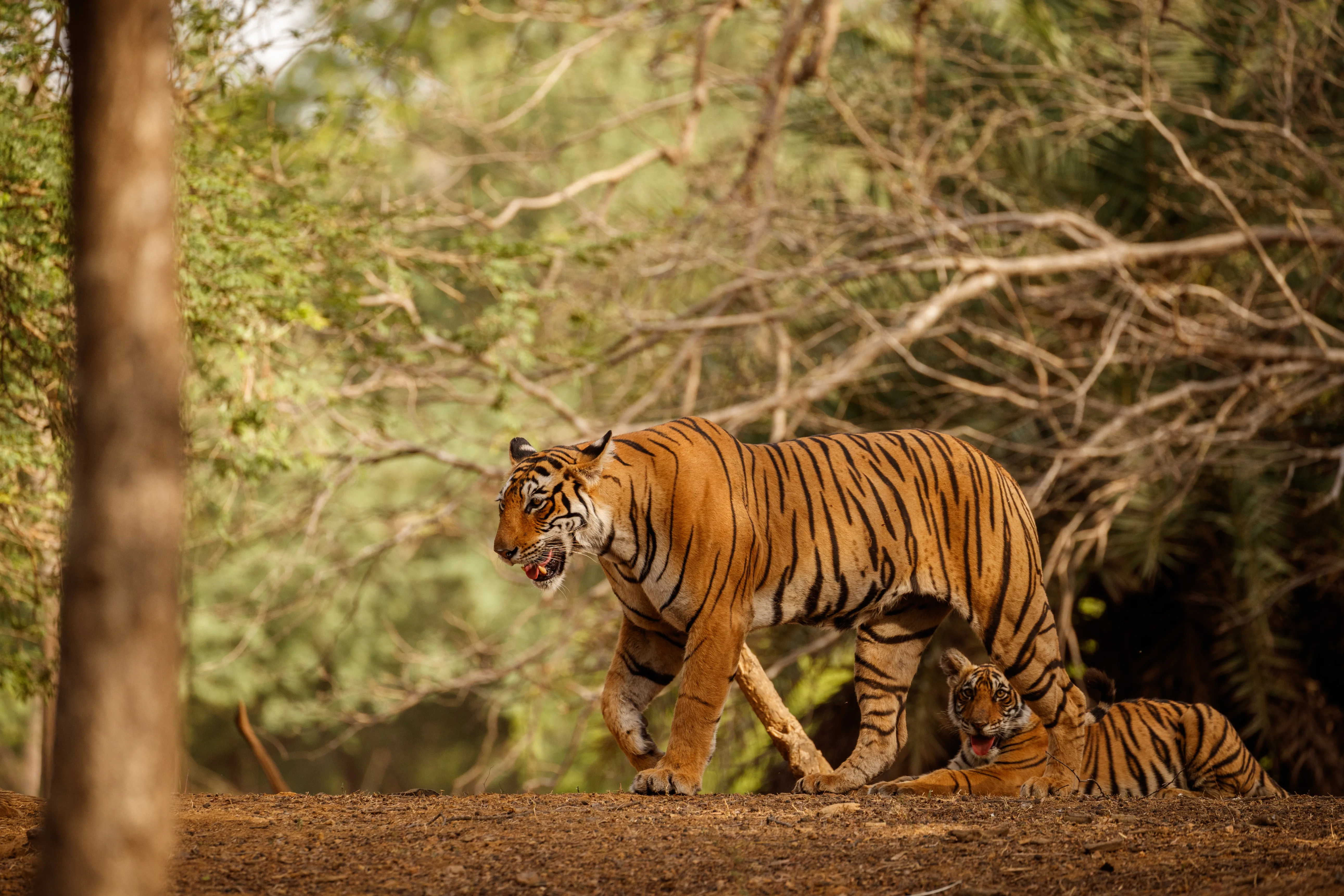
Ranthambore National Park is world-famous for its royal Bengal tigers, which are often seen during jeep safaris, especially in the summer months when they come near lakes and waterholes to cool off. Watching a tiger walk freely in the open forest is one of the most exciting experiences for visitors. Apart from tigers, Ranthambore is also home to leopards, which usually stay hidden in rocky areas and thick forests. Sloth bears can sometimes be seen walking slowly in open spaces, especially during early morning or evening safaris. Striped hyenas, jackals, and wild boars are also found in the park and are mostly active during quiet hours. The park has a large population of herbivores such as chital, sambar, nilgai, and chinkara deer. These animals are often seen grazing peacefully in open grasslands and forest clearings. They play an important role in the food chain and are easy to spot during safaris.
Ranthambore National Park is also a paradise for bird lovers. The park is home to many bird species, including colorful peacocks, powerful eagles, silent owls, and bright kingfishers. During winter, migratory birds arrive and can be seen near lakes, ponds, and marshy areas, making birdwatching very enjoyable. Water bodies in Ranthambore support many animals, including marsh crocodiles, which are often seen resting on riverbanks or floating quietly in lakes. Reptiles, frogs, and other small creatures also live near these wetlands, adding to the park’s rich biodiversity.
Practical Tips for Visiting Ranthambore National Park
Safari Timing: Early morning safaris are the best time to see animals when they are active and moving around. Late afternoon safaris can also be good as some animals come out before sunset.
Guided Jeep Safari: Always take a trained guide on your safari. Guides know where animals are likely to appear and can ensure your safety while explaining interesting facts about the wildlife and forest.
Binoculars and Camera: Bring binoculars to see animals from a safe distance, and a camera with a zoom lens to take close-up photos. Photography enthusiasts will love capturing tigers, deer, and birds in their natural surroundings.
Clothing and Footwear: Wear light, breathable clothes during summer and comfortable walking shoes for safaris. During monsoon, waterproof clothes and sturdy shoes are recommended to stay dry and safe while exploring the park.
Food and Water: Carry enough water and snacks, because there are limited food facilities inside the park. Staying hydrated is very important, especially in summer when temperatures can be high.
Respect Nature: Do not litter or make loud noises, as this can disturb the animals. Always maintain a safe distance and never try to touch or feed the wildlife. Respecting the park helps protect its delicate ecosystem for future visitors.
Conclusion
The best month to visit Ranthambore National Park Rajasthan depends on your travel goal. If you want pleasant weather and a comfortable experience, November to February are the best months. If your main aim is to see tigers, April to June offer the highest chances, even though the weather is hot. By choosing the right month, visitors can enjoy thrilling safaris, learn about wildlife, and experience the natural beauty of Ranthambore Tiger Reserve. A trip to Ranthambore is not just a visit; it is an exciting journey into the wild heart of Rajasthan.
Frequently Asked Question (FAQs)
Q. Which is the best month to visit Ranthambore National Park?
If you are planning your trip, February and March are great months to visit. The weather is nice, not too hot or cold, and animals are easier to see during safaris.
Q. Is Ranthambore Tiger Reserve safe for children?
Yes, it is safe for children when you visit with adults and follow the rules. Winter months are the best because the weather is cool and the safari ride feels comfortable.
Q. Which month is best to see tigers in Ranthambore National Park Rajasthan?
If your main aim to go to Ranthambore is to see tigers then, April and May are the best months. During this time, tigers often come out near water, so your chances of spotting one are higher.
Q. Why is Ranthambore WIlife Sanctuary closed during monsoon?
The wildlife sanctuary is closed during monsoon because heavy rain makes the forest roads unsafe. This time is also important for animals to rest and care for their babies.