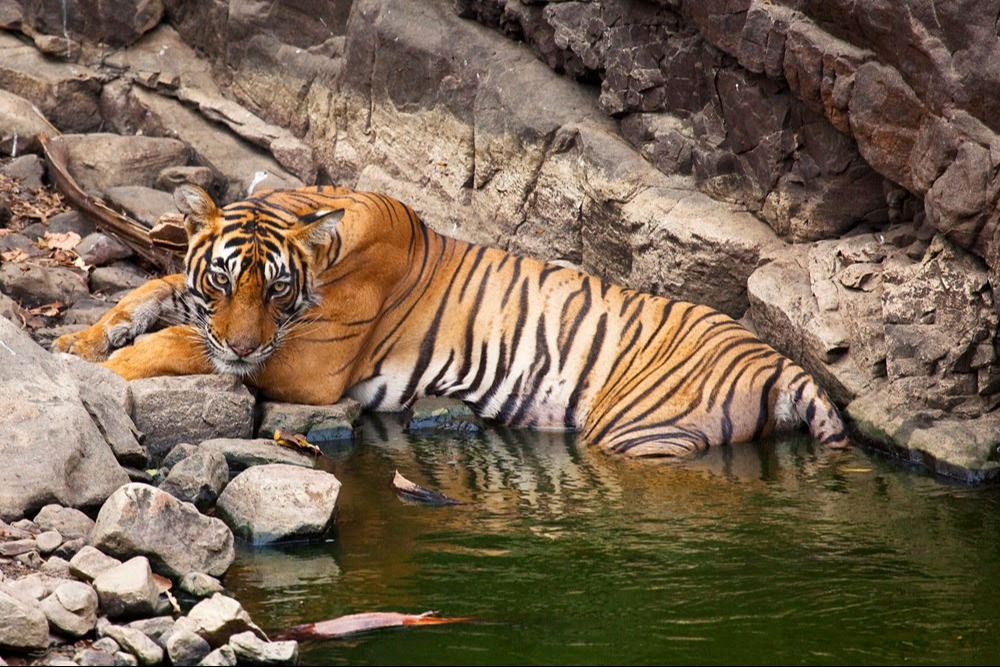
Which District Ranthambore National Park Is Located In?
Ranthambore National Park is one of the most famous wildlife parks in India. It is located in the state of Rajasthan, which is well known for its deserts, forts, and rich wildlife. The park is visited by thousands of tourists, wildlife enthusiasts, students, photographers, and nature lovers every year. One of the most frequently asked questions is: “Which district is Ranthambore National Park located in?” The answer is straightforward: Ranthambore is mainly situated in the Sawai Madhopur District of Rajasthan. A smaller portion of the park extends into surrounding areas, but the majority of the park, including its core wildlife zones, safari routes, lodges, and major tourist facilities, lies within Sawai Madhopur District. Knowing the district location is important for travelers planning and executing their trip to Ranthambore.
Ranthambore and Sawai Madhopur District
Sawai Madhopur District is famous for its natural beauty, dry forests, rivers, and historic sites, including the Ranthambore Fort, which is located inside the park. The district plays a vital role in protecting wildlife and maintaining the park’s environment. Several entry gates of Ranthambore National Park Rajasthan, such as Ranthambore Main Gate, Padam Talao Gate, and Malik Talao Gate, are located in or near Sawai Madhopur District. These gates provide access to different safari zones, making it easier for visitors to explore the park safely. Most safari routes, forest lodges, and accommodations for visitors are situated within this district. Because of this, Sawai Madhopur is considered the primary district of Ranthambore Tiger Reserve. The district administration also works closely with the forest department to maintain roads, ensure safety, and promote eco-tourism in and around the park.
Surrounding Areas of Ranthambore
Some parts of Ranthambore National Park extend into surrounding areas. These districts are important because they act as wildlife corridors, helping animals like tigers, leopards, and deer move safely and find food.
Tonk District: Tonk is northwest of Sawai Madhopur and has small forests and rivers. Tigers, leopards, and deer use these forests to move between areas, find water, food, and shelter without facing humans.
Karauli District: Karauli lies southeast of Sawai Madhopur. Its forests act as safe buffer zones where wildlife like tigers, jackals, and deer can travel freely, avoiding roads and villages while staying connected to Ranthambore’s main park.
Bharatpur District: Bharatpur is northeast of Sawai Madhopur and mostly flat plains, but it has wetlands, small forests, and lakes. Migratory birds, reptiles, and smaller animals use these areas to travel between Ranthambore and nearby natural habitats.
Dausa District: Dausa is north of Sawai Madhopur and has small forest patches, rivers, and villages. These areas serve as corridors for wildlife like leopards, foxes, and deer, helping them move safely and live naturally.
Why Ranthambore’s Location Is Important
The location of Ranthambore National Park in Sawai Madhopur District allows it to remain connected with surrounding forests and wildlife corridors. These corridors are important because they allow animals like Bengal tigers, leopards, sloth bears, jackals, wild boars, and deer to move freely from one part of the forest to another without facing human interference. The park’s location also supports local communities and villages through eco-tourism, forest-guiding jobs, and hospitality services. Local people benefit from wildlife tourism while also helping with wildlife conservation efforts, which ensures that both humans and animals can coexist peacefully. The district surrounding Ranthambore is peaceful, rich in natural resources, and home to many rivers, hills, and small villages, making it an ideal location for a protected wildlife area. The terrain, climate, and geography of Sawai Madhopur help maintain a natural environment suitable for tigers, leopards, and other wildlife species.
How to Reach Ranthambore National Park
Ranthambore is well connected by road, rail, and air, making it easy for visitors from different parts of India and the world to reach. Travelers can choose the mode of transport that best suits their convenience, budget, and comfort.
How to Reach Ranthambore National Park by Flight
The nearest airport to Ranthambore is Jaipur International Airport, which is about 145 kilometers away. Jaipur is a major city with good connectivity to most Indian metros, including Delhi, Mumbai, Bengaluru, Hyderabad, and Kolkata. Another smaller airport option is Kota Airport, which is approximately 110 kilometers from the park. After arriving at any of these airports, visitors can hire taxis, take buses, or use transfer services provided by hotels to reach the park. Traveling by flight is the fastest way to reach Ranthambore, especially for visitors coming from faraway cities.
How to Reach Ranthambore National Park by Road
Ranthambore is well connected by roads from nearby cities and towns, making it possible to reach by car, taxi, or bus. The roads leading to the park are mostly smooth and well-maintained, offering scenic views of the countryside, small villages, rivers, and dry forests along the way. Visitors can easily reach Ranthambore by road from major cities such as Jaipur (145 km), Delhi (400 km), Agra (230 km), Kota (110 km), and Sawai Madhopur town itself. Both government buses and private bus services are available for those who prefer public transport. Taxis and private vehicles provide more flexibility, comfort, and convenience. Road travel is often preferred by travelers because it allows them to enjoy scenic views, explore local villages, and sometimes spot wildlife along the way, making the journey as enjoyable as the destination itself.
How to Reach Ranthambore National Park by Train
The nearest railway station is Sawai Madhopur Railway Station, which is just 11 kilometers from the park. This station is well connected to major cities like Delhi, Jaipur, Mumbai, Agra, and Kolkata, making train travel a convenient option. From the railway station, visitors can hire taxis, shared jeeps, or use resort transfers to reach different entry gates of the park. Train travel is comfortable, affordable, and ideal for students, families, and wildlife enthusiasts traveling from distant cities.
Ranthambore National Park, Rajasthan Distance from Major Metro Cities
Metro City | Approx. Distance by Road (km) | Approx. Distance by Rail (km) | Nearest Major Railway Station / Airport |
Delhi | 400 km | 430 km | Sawai Madhopur / Delhi Airport |
Mumbai | 1,100 km | 1,150 km | Sawai Madhopur / Mumbai Airport |
Bangalore | 1,650 km | 1,700 km | Sawai Madhopur / Bengaluru Airport |
Kolkata | 1,300 km | 1,350 km | Sawai Madhopur / Netaji Subhas Chandra Bose Airport |
Chennai | 2,000 km | 2,050 km | Sawai Madhopur / Chennai Airport |
Hyderabad | 1,200 km | 1,250 km | Sawai Madhopur / Rajiv Gandhi International Airport |
Nagpur | 350 km | 380 km | Sawai Madhopur / Nagpur Airport |
Jaipur | 145 km | 150 km | Sawai Madhopur / Jaipur Airport |
Agra | 230 km | 250 km | Sawai Madhopur / Agra Airport |
Kota | 110 km | 120 km | Sawai Madhopur / Kota Airport |
Local Transport in Ranthambore District (Sawai Madhopur)
In Sawai Madhopur District, where Ranthambore National Park is located, private vehicles are not allowed inside the park for wildlife safaris. This rule protects the forests, grasslands, and wildlife habitats. Visitors must use authorized jeep safaris arranged by the forest department. Each jeep comes with a trained driver and an experienced guide who explains details about tigers, leopards, deer, birds, reptiles, and the forest ecosystem. For traveling outside the park, tourists can use taxis, shared jeeps, and local buses to reach nearby hotels, lodges, and towns. Most hotels and resorts provide pickup and drop services from railway stations, airports, and main roads, making travel convenient. The district administration works closely with the forest department to ensure that transportation is safe, organized, and environmentally friendly, allowing visitors to enjoy their wildlife experience without disturbing the animals or the park.
Conclusion
Ranthambore National Park is mainly located in the Sawai Madhopur District of Rajasthan, with a smaller part extending into nearby areas. Its location plays a major role in wildlife conservation, tourism, and local development. The park is easily accessible by flight, road, and train, and local transport options in the district make visiting safe and convenient for tourists. Understanding the district location, travel routes, and local transport options helps students, families, and wildlife enthusiasts plan their visit better.
Frequently Asked Questions (FAQs)
Q. Which district is Ranthambore National Park located in?
Ranthambore is mainly located in the Sawai Madhopur District of Rajasthan, with a small portion extending into nearby areas. Sawai Madhopur contains most safari zones, lodges, and tourist facilities.
Q. How can I reach Ranthambore from major cities?
Ranthambore is accessible by road, rail, and air. The nearest airport is Jaipur (145 km), the nearest railway station is Sawai Madhopur (11 km), and roads connect the park with Delhi, Mumbai, Agra, and Jaipur.
Q. Are private vehicles allowed inside Ranthambore National Park?
No, private vehicles are not allowed inside the park. Visitors must use authorized jeep safaris arranged by the forest department, with trained guides explaining wildlife, ensuring safety, and protecting the animals’ natural habitat.